Unlocking the Power of BPC-157 for Enhanced Athletic Recovery
Athletes constantly push their bodies to the limit, seeking ways to recover faster and perform better. One compound gaining attention in the sports and fitness community is BPC-157. Known for its potential to accelerate healing and reduce recovery time, BPC-157 offers promising benefits for those who demand quick and effective recovery from injuries and intense training sessions. This post explores how BPC-157 works, its benefits for athletic recovery, and practical considerations for athletes interested in its use.
What is BPC-157?
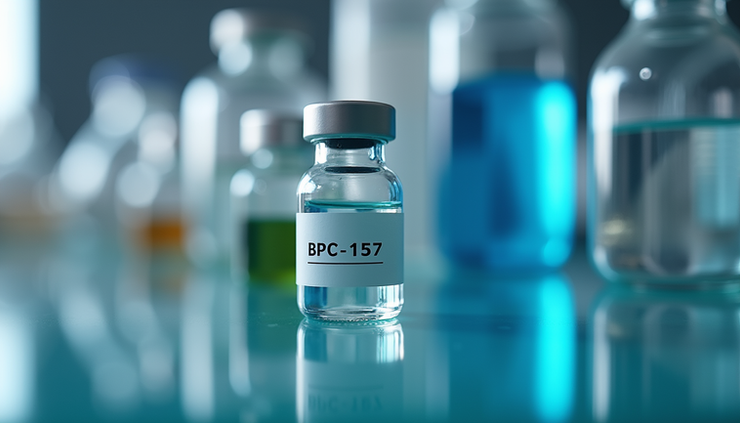
BPC-157 is a synthetic peptide derived from a protein found in the stomach. It stands for "Body Protection Compound" and consists of 15 amino acids. Originally studied for its protective effects on the gastrointestinal tract, researchers discovered that BPC-157 also promotes tissue repair and regeneration in muscles, tendons, ligaments, and bones.
Unlike many other peptides, BPC-157 is stable in human gastric juice, which means it can be administered orally or by injection. Its ability to support healing across various tissues makes it a unique candidate for athletes seeking to recover from injuries or intense physical stress.
How BPC-157 Supports Athletic Recovery
Athletic recovery involves repairing damaged tissues, reducing inflammation, and restoring function. BPC-157 contributes to these processes in several ways:
Enhances angiogenesis: BPC-157 stimulates the formation of new blood vessels, improving blood flow to injured areas. This increased circulation delivers oxygen and nutrients essential for healing.
Promotes collagen production: Collagen is a key protein in connective tissues like tendons and ligaments. BPC-157 encourages collagen synthesis, helping to rebuild and strengthen these structures.
Reduces inflammation: By modulating inflammatory responses, BPC-157 helps control swelling and pain, which can speed up recovery time.
Protects nerve cells: Some studies suggest BPC-157 supports nerve regeneration, which is crucial for restoring muscle function after injury.
Accelerates muscle healing: BPC-157 aids in repairing muscle tears and strains, allowing athletes to return to training sooner.
Scientific Evidence Behind BPC-157
Research on BPC-157 is still emerging, but animal studies provide strong support for its healing properties. For example:
A 2010 study showed that BPC-157 accelerated the healing of damaged tendons in rats, improving tensile strength and tissue organization.
Another study found that BPC-157 reduced inflammation and promoted recovery in muscle injuries, leading to faster functional restoration.
Research also demonstrated BPC-157’s ability to protect the gut lining and promote healing of ulcers, highlighting its broad tissue repair potential.
While human clinical trials are limited, anecdotal reports from athletes and physical therapists indicate positive outcomes in recovery speed and injury management.
Practical Benefits for Athletes
Athletes who incorporate BPC-157 into their recovery protocols may experience several advantages:
Faster return to training: By speeding up tissue repair, BPC-157 can reduce downtime after injuries or intense workouts.
Reduced pain and inflammation: Managing discomfort allows athletes to maintain consistent training schedules.
Improved joint and tendon health: Supporting connective tissue repair lowers the risk of chronic injuries.
Enhanced muscle recovery: Quicker healing of muscle damage helps maintain strength and performance.
Potential protection against overuse injuries: By promoting tissue resilience, BPC-157 may help prevent common sports-related wear and tear.
How to Use BPC-157 Safely
If considering BPC-157, athletes should keep these points in mind:
Consult a healthcare professional: Discuss your health status and goals before starting any peptide therapy.
Choose reputable sources: Use high-quality, lab-tested BPC-157 products to ensure purity and safety.
Follow recommended dosages: Typical doses range from 200 to 500 micrograms per day, but individual needs vary.
Consider administration methods: BPC-157 can be taken orally or injected subcutaneously near the injury site. Injection may provide more targeted effects.
Monitor for side effects: Although generally well tolerated, some users report mild reactions like headache or dizziness.
Combine with proper rehabilitation: Peptide therapy works best alongside physical therapy, rest, and nutrition.
Real-World Examples of BPC-157 in Athletic Recovery
Several athletes and trainers have shared their experiences with BPC-157:
A professional soccer player used BPC-157 injections to recover from a hamstring strain. The player reported reduced pain and returned to full training within two weeks, faster than expected.
A weightlifter dealing with chronic tendonitis incorporated BPC-157 into their recovery routine. Over several weeks, they noticed decreased inflammation and improved joint mobility.
Physical therapists have applied BPC-157 topically or via injection to support healing in clients with ligament sprains, observing quicker tissue repair and less downtime.
These examples highlight BPC-157’s potential to support recovery across different sports and injury types.
Summary
BPC-157 offers a promising option for athletes seeking faster and more effective recovery. Its ability to promote tissue repair, reduce inflammation, and support muscle and tendon healing can help reduce downtime and improve performance. While more research is needed, current evidence and real-world experiences suggest BPC-157 could become a valuable tool in athletic recovery protocols.
Athletes interested in BPC-157 should approach it thoughtfully, consulting healthcare professionals and combining it with proven recovery strategies. With careful use, BPC-157 may unlock new possibilities for maintaining peak physical condition and bouncing back from injuries more quickly.


Comments