
Peptide Water Retention: What Grapplers Need to Know
A tight weight class does not care whether the extra pound is body fat, food volume, or water. When your rings feel snug, your face looks fuller after hard rounds, or the scale jumps overnight, peptide water retention is an understandable concern for grapplers managing performance and making weight.
Water retention is not automatically a sign that something has gone wrong. Glycogen storage, sodium intake, inflammation from hard training, poor sleep, travel, and changes in carbohydrate intake can all shift fluid balance quickly. But when a peptide or new recovery compound enters the picture, disciplined athletes should know how to separate normal fluctuations from symptoms that deserve medical attention.
What Peptide Water Retention Actually Means
Water retention, also called edema when it is clinically significant, is fluid collecting in the spaces between tissues. For an athlete, it may show up as a rapid scale increase, puffiness in the hands or ankles, tighter shoes, or a softer appearance that does not match recent food intake.
The important distinction is between ordinary day-to-day fluid movement and persistent swelling. A hard week of drilling, lifting, live rounds, and conditioning creates muscular damage and inflammation. Your body responds by moving fluid into working tissues. Add a high-sodium meal, a late-night refeed, or a long flight to competition, and the scale can move several pounds without a meaningful change in body composition.
Some compounds that influence growth hormone pathways or hormone signaling may also affect fluid balance in certain people. The response is individual. It can depend on the compound, amount used, other medications, underlying health conditions, carbohydrate and sodium intake, and how aggressively you are training.
Why Grapplers Notice It Faster
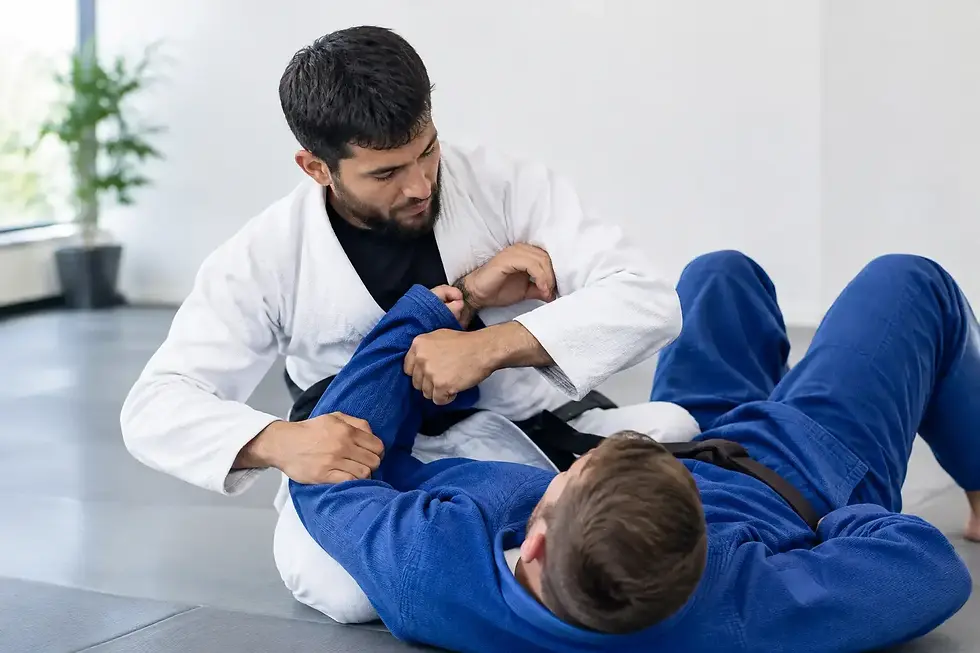
A recreational lifter may see a little extra water and move on. A grappler feels it immediately. Extra fluid can make a gi feel restrictive, affect how you perceive your gas tank, complicate weigh-in planning, and create uncertainty during a camp when every variable matters.
That does not mean retained water automatically reduces athletic ability. In some cases, fuller muscles and restored glycogen can coincide with productive training. The problem is the lack of control. If you do not know why your scale weight changed, you are more likely to overcorrect with dehydration, excessive sauna sessions, severe sodium restriction, or a panic cut that compromises performance.
Elite preparation is built on clean feedback. The goal is not to chase the lowest possible morning weight. It is to understand your baseline, identify meaningful changes, and avoid making a bad situation worse.
Peptides, Hormone Pathways, and Fluid Balance
Not every peptide carries the same potential for water retention. Broadly speaking, compounds that affect growth hormone and insulin-like growth factor pathways may be more associated with fluid-related effects than compounds used in other research contexts. That is one reason athletes should not treat all peptides as interchangeable.
Tesamorelin, for example, acts on the growth hormone-releasing hormone pathway and is a prescription medication for a specific medical use. Fluid retention and joint discomfort have been reported with growth hormone-related therapies in some settings. That does not predict what any one athlete will experience, but it does make careful medical oversight more relevant, especially for someone with a history of glucose issues, cardiovascular disease, kidney disease, or swelling.
Other products marketed in peptide circles, including BPC-157, have very different proposed mechanisms and very different levels of human evidence. A claim that a compound supports recovery does not establish that it is risk-free, effective for athletic use, or appropriate for your situation. Many peptides promoted to athletes are not approved by the FDA for bodybuilding, recovery, or performance enhancement, and product quality can vary substantially outside regulated medical channels.
That is where discipline matters more than hype. Do not stack multiple new compounds, overhaul your diet, and start a harder camp in the same week. If your body changes, you need a clear trail of variables to assess with a qualified clinician.
Water Weight Is Not Always the Compound
The timing can be misleading. Athletes often start a new recovery strategy during their highest-volume blocks, when they are also eating more carbohydrates, using more electrolytes, sleeping less, and accumulating joint irritation. Any of those factors can increase short-term water weight.
Creatine, higher glycogen stores, menstrual cycle changes, anti-inflammatory medications, alcohol, and even a poorly managed post-training meal can contribute. If you only blame the newest item in your routine, you may miss the actual driver.
For a useful baseline, weigh under the same conditions for several mornings in a row: after using the bathroom, before food and fluids, and with similar clothing. A single weigh-in is noise. A consistent upward trend combined with visible swelling or new symptoms is more actionable.
When Swelling Needs a Medical Evaluation
Training through normal soreness is part of the sport. Training through unexplained swelling is not a toughness test. Stop treating it as a routine recovery issue and contact a healthcare professional promptly if swelling is persistent, worsening, or paired with concerning symptoms.
Seek urgent medical care for shortness of breath, chest pain, fainting, confusion, coughing up pink or frothy mucus, or sudden swelling in one leg with pain, warmth, or redness. Those symptoms can signal conditions that have nothing to do with ordinary athlete water weight and should never be managed with a sweat session.
Also get medical guidance if you have numbness or tingling in the hands, significant joint pain, repeated headaches, unusual fatigue, rapid unexplained weight gain, or elevated blood pressure. A clinician can review your health history, medications, supplements, and relevant labs rather than guessing from a mirror check.
A Smarter Response During Camp
If you suspect peptide water retention but have no urgent symptoms, do not make dramatic changes overnight. First, pause and assess the full recovery picture with a clinician who knows what you are using. Be direct about every compound, supplement, and medication. Accurate information produces better decisions than partial disclosure.
Keep your training inputs stable for a few days where possible. Track morning body weight, sleep, soreness, sodium-heavy meals, carbohydrate intake, hydration, and visible swelling. This is not obsessive monitoring. It is performance intelligence.
Avoid using diuretics, extreme fluid restriction, or aggressive heat exposure to force the scale down without medical direction. These methods can impair blood volume, increase cramping risk, strain the kidneys, and leave you flat when it is time to wrestle for position. A short-term weigh-in win can become a long-term recovery loss.
You should also protect the basics that make every recovery plan work better: consistent hydration, adequate protein and calories for your workload, quality sleep, and programmed lower-intensity days. No elite-grade recovery strategy can compensate for chronic under-fueling and poor sleep.
Keep Recovery a Competitive Advantage
The best grapplers do not react emotionally to a temporary scale jump. They gather information, respect red flags, and make decisions that protect the next month of training instead of only the next morning's weight.
If you choose to explore peptide therapy, treat it with the same seriousness you bring to competition prep: source quality matters, medical supervision matters, and your response matters more than anyone else's testimonial. At Grapple Shield, the standard is disciplined bio-optimization, not reckless experimentation. Your recovery cycle should keep you durable enough to train consistently, sharp enough to perform, and informed enough to know when your body is asking for help.


Comments